Uncategorized Archives - Erodex
Categories
Uncategorized

Electrical Carbon Brushes in Industrial Applications


In the realm of electrical engineering, certain components play a crucial role in ensuring the smooth and efficient operation of various devices and machinery. One such component, often overlooked yet indispensable in many applications, is the electrical carbon brush. These small but mighty devices serve as a critical interface between rotating machinery components and the stationary parts of an electrical circuit, facilitating the transfer of electrical current. In this article, we will delve into the intricacies of electrical carbon brushes, exploring their construction, functions, applications, and the evolving landscape of carbon brush technology.


Construction of Electrical Carbon Brushes

Electrical carbon brushes are typically composed of a mix of carbon and other materials such as metal powders and resins. The choice of materials depends on the specific requirements of the application, taking into consideration factors such as electrical conductivity, wear resistance, and thermal stability. The carbon content provides excellent conductivity, making it an ideal material for transferring electrical current between stationary and rotating parts.

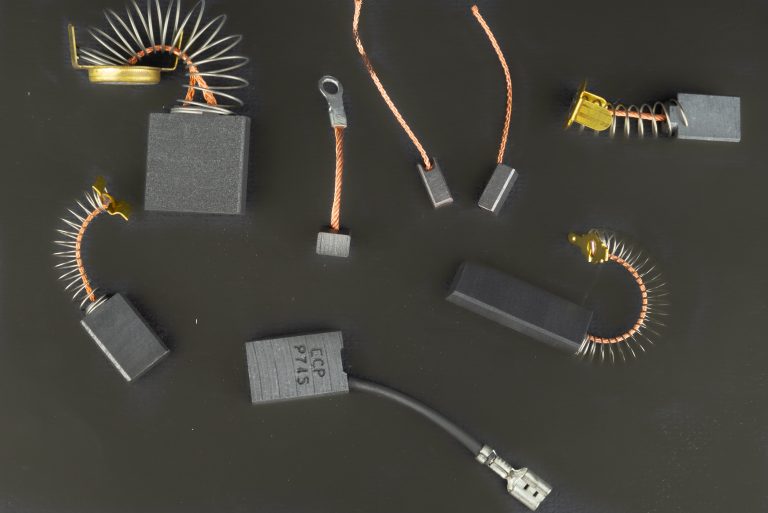
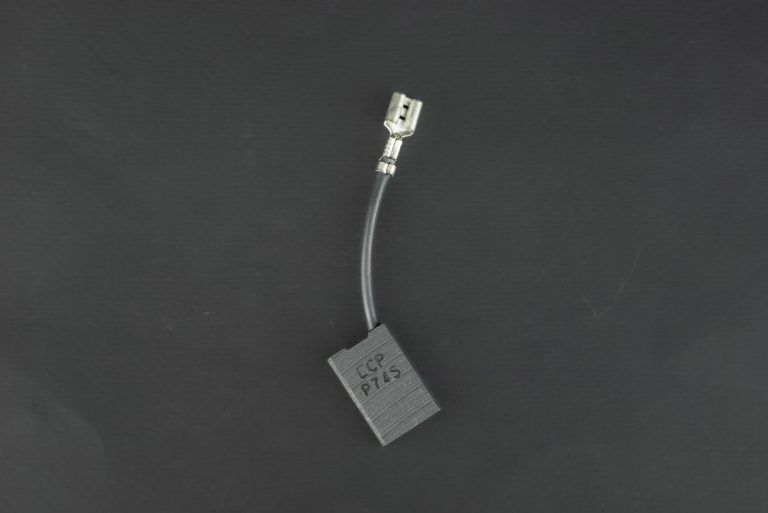
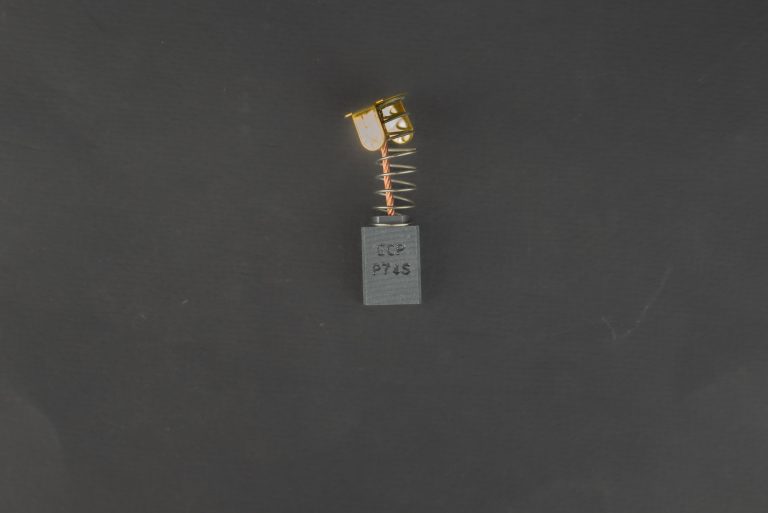
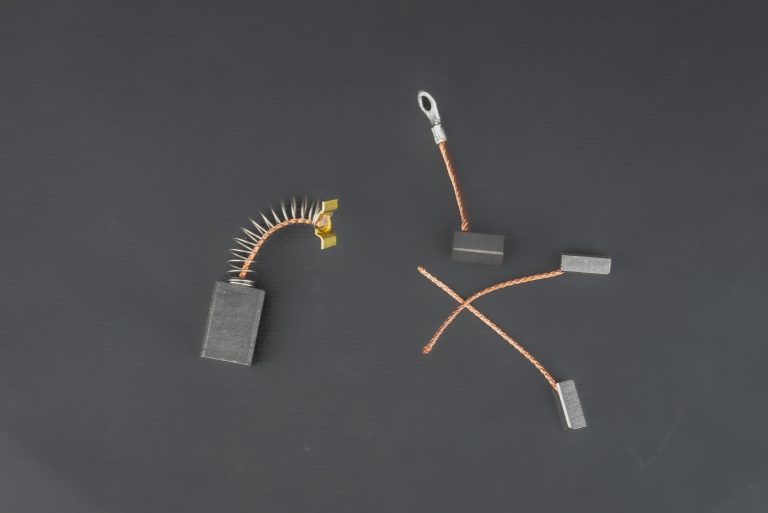
The brush’s construction involves moulding the carbon mixture into a specific shape, often resembling a rectangular block or a cylindrical rod. This shape is designed to ensure optimal contact with the rotating component, known as the commutator or slip ring, in electrical machines. Additionally, the brushes are equipped with an easy-replacement system, as wear and tear are inevitable due to continuous friction during operation.


Functions of Electrical Carbon Brushes

The primary function of electrical carbon brushes is to establish and maintain electrical contact between the stationary and rotating parts of an electrical machine. This is crucial in devices such as electric motors and generators, where electrical energy is converted into mechanical energy, and vice versa. The brushes provide a low-resistance path for current flow, ensuring efficient energy transfer and minimising power losses.

Moreover, carbon brushes play a pivotal role in the commutation process in DC motors. As the motor’s armature rotates, the brushes make contact with different segments of the commutator. This effectively reverses the current direction in the coil windings. This reversal is essential for maintaining unidirectional torque output and preventing motor overheating.


Applications of Electrical Carbon Brushes

The versatility of electrical carbon brushes makes them integral components in a wide range of industrial applications. Electric motors used in the manufacturing, automotive, and aerospace industries rely heavily on carbon brushes for consistent performance. Additionally, generators, alternators, and certain types of power tools utilise carbon brushes to ensure reliable and efficient electrical contact.

One notable application of carbon brushes is in traction motors for electric vehicles. As the automotive industry transitions toward electrification, demand for robust, high-performance carbon brushes has increased. These brushes contribute to the efficiency of electric propulsion systems, playing a key role in the overall sustainability of transportation.


Evolving Technology in Carbon Brush Manufacturing

Advancements in materials science and manufacturing processes have led to the development of enhanced carbon brush technologies. Modern carbon brushes often incorporate specialised additives and coatings to improve their performance characteristics. For instance, copper-graphite brushes offer improved conductivity and heat dissipation, making them suitable for high-speed and high-temperature applications.

Additionally, the exploration of alternative materials, such as metal-graphite composites, aims to address environmental concerns associated with traditional carbon brushes. These innovations focus on reducing friction, extending brush lifespan, and minimising environmental impact by using more sustainable materials.


In conclusion, electrical carbon brushes may be small. Still, their significance in electrical engineering cannot be overstated. They are essential components in electric motors, generators, and various industrial applications. These brushes ensure the seamless transfer of electrical energy, contributing to the efficiency and reliability of machinery. With ongoing technological advancements, the landscape of carbon brush manufacturing continues to evolve, promising improved performance, sustainability, and a greener future for electrical engineering. As researchers and engineers delve deeper into the intricacies of these unassuming yet vital components, the potential for further innovations in carbon brush technology remains a promising avenue for the future of electrical systems.


Categories
Uncategorized

High Current Carbon Brushes

High Current Carbon Brushes: A Comprehensive Overview

In the realm of electrical engineering, high-current applications demand precision and reliability. One crucial component that contributes to the efficiency of high-current systems is the humble yet indispensable carbon brush. This article aims to provide a clear and comprehensive understanding of these vital components, delving into their construction, working principles, applications, and importance in various industries.

Construction and Composition:

High-current carbon brushes are typically composed of carbon graphite, a material known for its excellent electrical conductivity and self-lubricating properties. Graphite is often mixed with other materials, such as metal powders, resins, and additives, to enhance its mechanical strength and wear resistance. The composition is crucial, as it directly influences the brush’s ability to handle high current loads, endure friction, and maintain a stable electrical connection.


The brushes are moulded into specific shapes and sizes, tailored to fit the requirements of different electrical machines and systems. The common configurations include block, brush holder, and brush gear designs, each serving distinct purposes in diverse applications.

Working Principles:

These brushes operate on the principle of sliding electrical contact. As electrical current passes through the rotating machine, the carbon brushes make contact with the rotating conductive element, commonly a slip ring or a commutator in motors and generators. Frictional contact creates a pathway for electrical current, enabling efficient power transfer.


It’s crucial to select high-quality materials for the brush composition to reduce wear and maintain a consistent electrical connection. The self-lubricating properties of graphite contribute to the brushes’ ability to endure continuous sliding motion without excessive wear and tear.

Applications:

High-current carbon brushes are widely used across various industries. Playing a pivotal role in ensuring the seamless operation of electrical machinery. Industries such as manufacturing, mining, renewable energy, and transportation heavily rely on these brushes for their reliability and efficiency.


In electric motors and generators, carbon brushes are commonly used in high-current-density applications. They are essential components in traction motors for electric vehicles, powering everything from electric cars to trains and trams. In wind turbines and hydroelectric generators, these brushes facilitate the transfer of electricity from the rotating components to the stationary electrical system.


Moreover, high-current carbon brushes are integral to heavy-duty machinery such as steel mills and mining equipment, where robust, reliable electrical connections are imperative for optimal performance.

Importance in Industry:

The significance of high-current carbon brushes lies in their ability to ensure uninterrupted power transmission in high-demand environments. The proper functioning of these brushes directly impacts the efficiency and lifespan of electrical machinery. Regular maintenance and monitoring of carbon brushes are essential to prevent unexpected downtime and costly repairs.


Additionally, advancements in brush technology, such as the development of composite materials and innovative designs. Continue to enhance the performance and longevity of high-current carbon brushes. These improvements contribute to increased energy efficiency, reduced maintenance costs, and overall sustainability in various industries.

Rephrasing for Clarification:

If the technical details seem overwhelming, think of high-current carbon brushes as the unsung heroes of electrical systems. They’re like the smooth operators, ensuring that electricity flows seamlessly through the machinery that powers our daily lives. Imagine them as small, durable conductors that play a big role in making sure your electric vehicle runs smoothly or that the turbines generating renewable energy keep turning.

Conclusion:

In conclusion, a clear understanding of high-current carbon brushes is crucial for engineers and researchers involved in designing and maintaining electrical systems. From their composition and operating principles to their diverse applications, these brushes are foundational elements in high-current environments. As technology advances, so too will the capabilities of these unassuming yet indispensable components. Contributing to the efficiency and sustainability of the electrical systems that power our modern world.

Categories
Uncategorized

Fractional Horse Power Brushes

Fractional Horse Power Brushes

Introduction:


Fractional Horse Power (FHP) brushes play a pivotal role in various industries, driving the efficiency of small-scale motors and machines. Understanding the significance and mechanics of these brushes is crucial for anyone delving into the realm of miniature power systems. In this article, we will explore the nuances of Fractional Horse Power brushes, shedding light on their applications, construction, and the key factors influencing their performance.


Applications of Fractional Horse Power Brushes:

Fractional Horse Power brushes find applications in a diverse range of devices, from household appliances to medical equipment and automotive components. These brushes are commonly employed in small-scale motors where the power requirement is less than one horsepower. Think of devices like electric shavers, power tools, and even some automotive components where space and power efficiency are paramount.

Construction and Components:

To understand Fractional Horse Power brushes, it’s essential to grasp their construction. These brushes are typically made from a mix of materials, including carbon and graphite, to ensure durability and efficient electrical conductivity. The brush consists of a body, which holds the bristles, and a lead wire that connects to the power source. The bristles are crucial, as they make direct contact with the commutator or slip ring, enabling the transfer of electrical energy to the motor.


Working Mechanism:

In the world of small-scale motors, the fractional nature of the power involved necessitates brushes that can handle lower voltages and currents. FHP brushes facilitate this by providing a reliable electrical connection between the stationary and rotating parts of the motor. When the motor is powered, the brushes transfer electrical current to the commutator or slip ring, allowing the motor to function smoothly. This mechanism is fundamental to the operation of various everyday devices.


Factors Influencing Performance:

Several factors influence the performance of Fractional Horse Power brushes. The material composition of the brushes plays a crucial role, determining their wear resistance and conductivity. Carbon and graphite brushes are commonly used due to their favorable combination of these properties. Additionally, the design of the brush and its compatibility with the specific motor it serves are pivotal in ensuring optimal performance.

Wear and Maintenance:

As with any mechanical component, FHP brushes undergo wear during operation. Regular maintenance is essential to monitor the condition of the brushes and replace them when necessary. The wear rate depends on factors such as operating speed, load, and environmental conditions. Proper lubrication and periodic inspections are key to extending the lifespan of both the brushes and the motor.

Rephrasing and Example:

Imagine Fractional Horse Power brushes as the conductors in a miniature orchestra. Ensuring a harmonious flow of electrical energy within the confines of a small-scale motor. To put it simply, these brushes are like the intermediaries between the power source and the motor. Allowing for the seamless conversion of electrical energy into mechanical motion. Just as a skilled conductor guides musicians to produce beautiful music, FHP brushes guide electricity to power the motor efficiently.


Understanding Specific Software Concepts:

Now, let’s draw an analogy between Fractional Horse Power brushes and a common software design pattern – the Observer Pattern. In software development, the Observer Pattern is like the unseen conductor that orchestrates communication between different components. Just as FHP brushes enable the flow of energy in a motor, the Observer Pattern facilitates the exchange of information between objects in a software system.

In the Observer Pattern. One object (the subject) maintains a list of dependents (observers) that need to be notified of any changes in its state. When the subject undergoes a change, it notifies all its observers, triggering updates in their respective states. This pattern is widely used in scenarios where a change in one part of the system should be reflected in other parts without them being tightly coupled.

Conclusion:

In the intricate world of small-scale motors, Fractional Horse Power brushes serve as unsung heroes. Ensuring the smooth operation of countless devices we use daily. Their applications range from commonplace household items to critical medical equipment, showcasing their versatility. Understanding the construction, working mechanism, and factors influencing the performance of FHP brushes is essential for anyone diving into the fascinating realm of miniature power systems. Whether you’re maintaining your electric shaver or delving into software design patterns, the principles of efficient energy transfer remain at the core of these diverse technologies.