


Brosses à puissance fractionnaire
Introduction :
Fractional Horse Power (FHP) brushes play a pivotal role in various industries, driving the efficiency of small-scale motors and machines. Understanding the significance and mechanics of these brushes is crucial for anyone delving into the realm of miniature power systems. In this article, we will explore the nuances of Fractional Horse Power brushes, shedding light on their applications, construction, and the key factors influencing their performance.
Applications of Fractional Horse Power Brushes:
Fractional Horse Power brushes find applications in a diverse range of devices, from household appliances to medical equipment and automotive components. These brushes are commonly employed in small-scale motors where the power requirement is less than one horsepower. Think of devices like electric shavers, power tools, and even some automotive components where space and power efficiency are paramount.
Construction and Components:
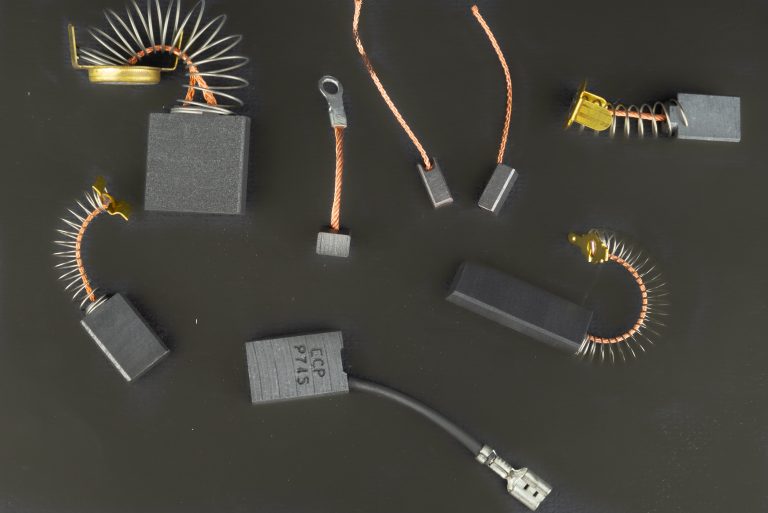
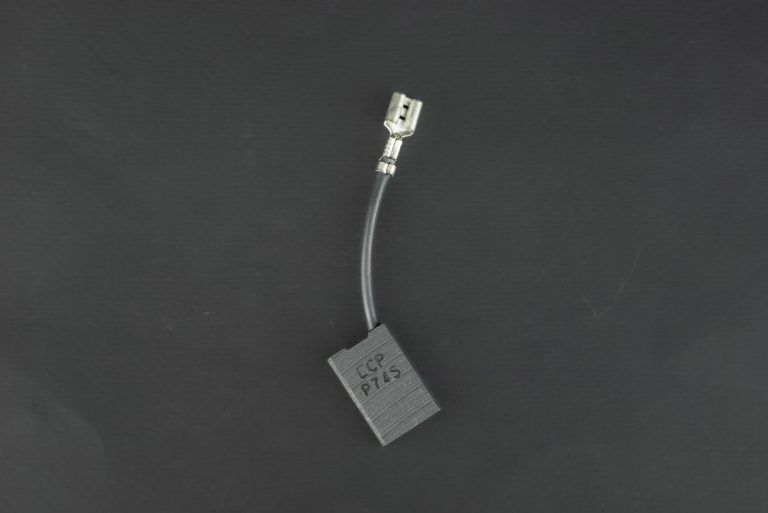
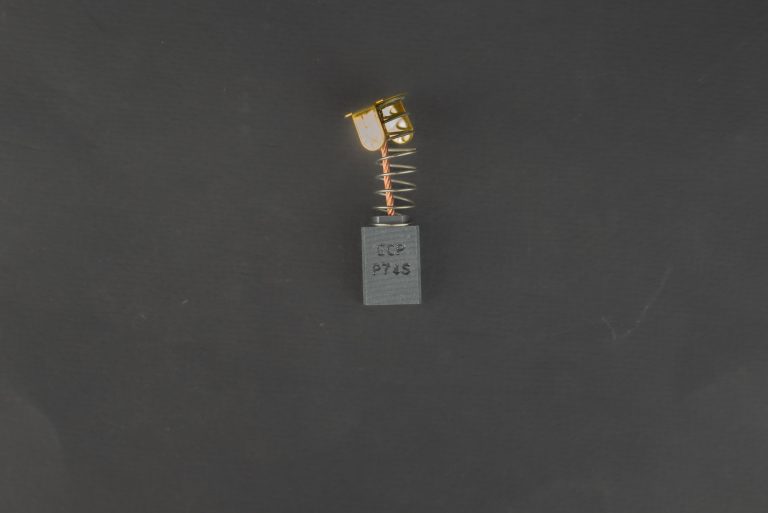
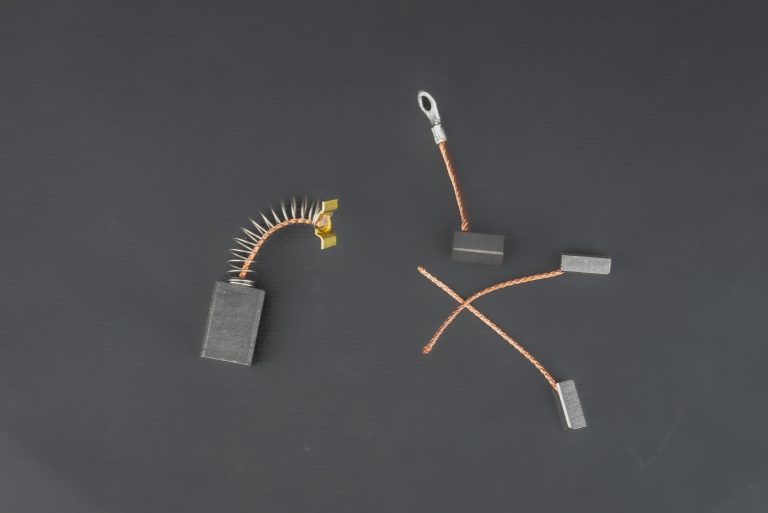
To understand Fractional Horse Power brushes, it’s essential to grasp their construction. These brushes are typically made from a mix of materials, including carbon and graphite, to ensure durability and efficient electrical conductivity. The brush consists of a body, which holds the bristles, and a lead wire that connects to the power source. The bristles are crucial, as they make direct contact with the commutator or slip ring, enabling the transfer of electrical energy to the motor.
Working Mechanism:
In the world of small-scale motors, the fractional nature of the power involved necessitates brushes that can handle lower voltages and currents. FHP brushes facilitate this by providing a reliable electrical connection between the stationary and rotating parts of the motor. When the motor is powered, the brushes transfer electrical current to the commutator or slip ring, allowing the motor to function smoothly. This mechanism is fundamental to the operation of various everyday devices.
Factors Influencing Performance:
Several factors influence the performance of Fractional Horse Power brushes. The material composition of the brushes plays a crucial role, determining their wear resistance and conductivity. Carbon and graphite brushes are commonly used due to their favorable combination of these properties. Additionally, the design of the brush and its compatibility with the specific motor it serves are pivotal in ensuring optimal performance.
Wear and Maintenance:
As with any mechanical component, FHP brushes undergo wear during operation. Regular maintenance is essential to monitor the condition of the brushes and replace them when necessary. The wear rate depends on factors such as operating speed, load, and environmental conditions. Proper lubrication and periodic inspections are key to extending the lifespan of both the brushes and the motor.
Rephrasing and Example:
Imagine Fractional Horse Power brushes as the conductors in a miniature orchestra. Ensuring a harmonious flow of electrical energy within the confines of a small-scale motor. To put it simply, these brushes are like the intermediaries between the power source and the motor. Allowing for the seamless conversion of electrical energy into mechanical motion. Just as a skilled conductor guides musicians to produce beautiful music, FHP brushes guide electricity to power the motor efficiently.
Understanding Specific Software Concepts:
Now, let’s draw an analogy between Fractional Horse Power brushes and a common software design pattern – the Observer Pattern. In software development, the Observer Pattern is like the unseen conductor that orchestrates communication between different components. Just as FHP brushes enable the flow of energy in a motor, the Observer Pattern facilitates the exchange of information between objects in a software system.
In the Observer Pattern. One object (the subject) maintains a list of dependents (observers) that need to be notified of any changes in its state. When the subject undergoes a change, it notifies all its observers, triggering updates in their respective states. This pattern is widely used in scenarios where a change in one part of the system should be reflected in other parts without them being tightly coupled.
Conclusion:
In the intricate world of small-scale motors, Fractional Horse Power brushes serve as unsung heroes. Ensuring the smooth operation of countless devices we use daily. Their applications range from commonplace household items to critical medical equipment, showcasing their versatility. Understanding the construction, working mechanism, and factors influencing the performance of FHP brushes is essential for anyone diving into the fascinating realm of miniature power systems. Whether you’re maintaining your electric shaver or delving into software design patterns, the principles of efficient energy transfer remain at the core of these diverse technologies.