Uncategorized Archives - Page 2 of 5 - Erodex
الفئات
غير مصنف

فراشي الكربون الصناعية

فراشي الكربون الصناعية: دليل شامل


In the intricate machinery that powers our modern world, the role of industrial carbon brushes is often overlooked but undeniably crucial. These small yet powerful components play a vital role in various applications, from electric motors to generators, ensuring the smooth transmission of electrical energy. As part of your research into industrial carbon brushes, this comprehensive guide aims to provide accurate, detailed information on their composition, functions, applications, and advancements in this essential field.


I. فهم أساسيات فرش الكربون الصناعية

1.1 التكوين والهيكل

Industrial carbon brushes are typically composed of carbon and other materials that enhance their conductivity, durability, and friction properties. The primary component, carbon, is chosen for its excellent electrical conductivity and wear resistance. Other materials, such as metal powders and binders, are often added to the carbon mix to improve the brush’s mechanical strength and overall performance.

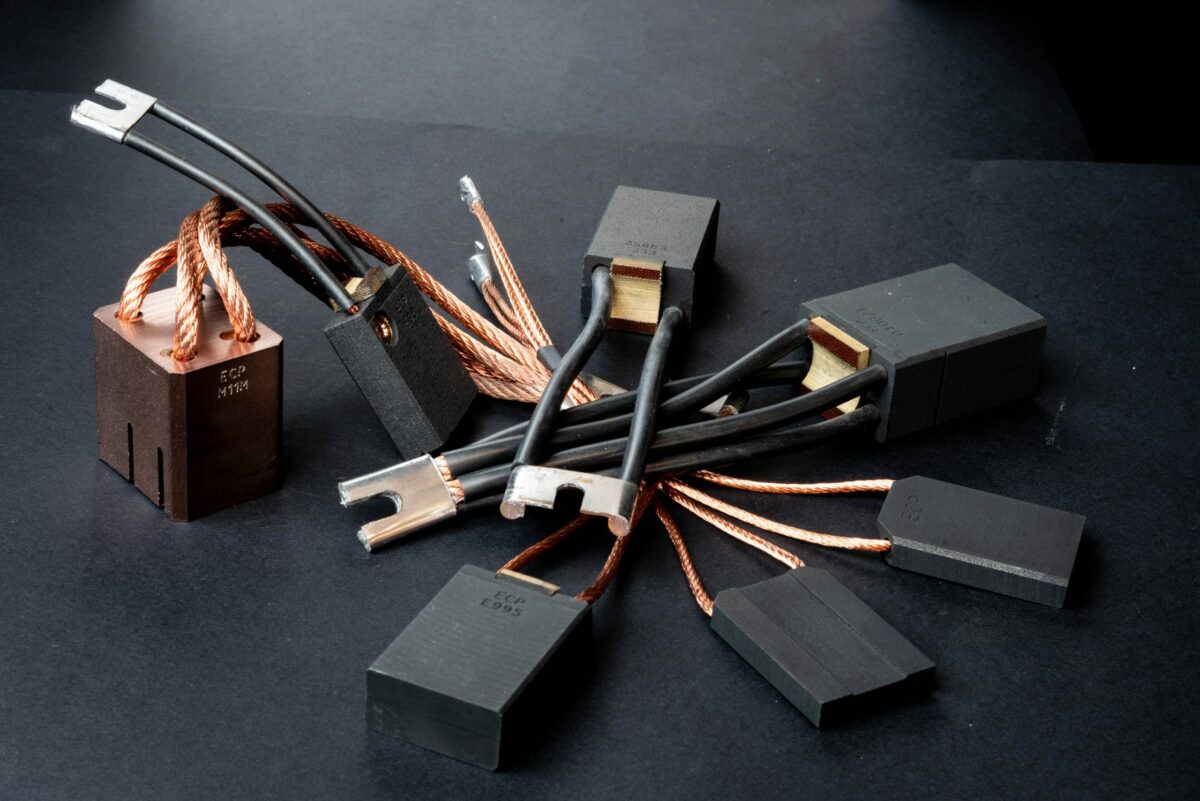
The structure of a carbon brush can vary depending on its intended application. In general, a basic carbon brush consists of a carbon block, a metal shunt, and a connection terminal. The carbon block is the primary contact surface, responsible for conducting electricity and transferring it to the machinery’s rotating part.

1.2 مبدأ العمل

The fundamental principle behind industrial carbon brushes lies in their ability to establish and maintain electrical contact with the rotating part of a machine, such as a rotor or commutator in an electric motor. As the machine operates, the carbon brush slides against the rotating surface, creating a conductive path for the electrical current.

يتم موازنة الاحتكاك بين الفرشاة الكربونية والمكوّن الدوّار بعناية لضمان التلامس الكهربائي الفعّال دون التسبب في تآكل مفرط. هذا التوازن الدقيق أمر بالغ الأهمية لطول عمر وكفاءة كل من الفرشاة والآلات التي تخدمها.


II. تطبيقات فرش الكربون الصناعية

2.1 المحركات الكهربائية

One of the primary applications of industrial carbon brushes is in electric motors. In DC (direct current) motors, carbon brushes are essential components that transfer electrical energy from the stationary part (stator) to the rotating part (rotor). The brushes maintain continuous contact with the commutator, ensuring a constant current flow and enabling the motor to operate smoothly.

In AC (alternating current) motors, carbon brushes are less common because the design often uses other methods to transfer electrical energy. However, in certain specialised applications, such as high-performance AC motors, carbon brushes may still be employed to achieve optimal performance.

2.2 مولدات 2.2

تلعب فرش الكربون الصناعية أيضًا دورًا حاسمًا في المولدات، حيث تعمل بشكل مشابه لدورها في المحركات الكهربائية. تحافظ الفرش على التلامس مع الجزء الدوار من المولد، مما يسمح بتحويل الطاقة الميكانيكية إلى طاقة كهربائية. وتعد هذه العملية أساسية لتوليد الكهرباء في محطات توليد الطاقة الكهربائية والأماكن الصناعية المختلفة.

2.3 توربينات الرياح

As the demand for renewable energy sources grows, so does the importance of industrial carbon brushes in wind turbines. These brushes are used in the turbine’s generator system to ensure efficient power generation from the wind’s kinetic energy. The reliability and longevity of carbon brushes are particularly crucial in this application, given the often remote and challenging environments where wind turbines are installed.

2.4 الآلات الصناعية

بالإضافة إلى المحركات الكهربائية والمولدات الكهربائية، تجد الفرش الكربونية الصناعية تطبيقات في مجموعة واسعة من الآلات، بما في ذلك أنظمة النقل والرافعات والأدوات الكهربائية. إن قدرتها على توفير توصيل كهربائي موثوق به في الأنظمة الدوارة يجعلها لا غنى عنها في السيناريوهات التي تحتاج فيها الطاقة الكهربائية إلى نقل الطاقة الكهربائية إلى المكونات المتحركة.


ثالثًا. العوامل المؤثرة على أداء فرش الكربون الصناعية

العوامل المؤثرة في أداء فرش الكربون الصناعية

3.1 اختيار المواد

The choice of materials for manufacturing industrial carbon brushes significantly influences their performance and longevity. Different grades of carbon, along with additives such as metal powders and binders, are used. They are carefully selected based on the specific requirements of the application. The goal is to achieve a balance between electrical conductivity, wear resistance, and mechanical strength.

3.2 تصميم الفرشاة

يختلف تصميم فرش الكربون بناءً على نوع الماكينة وظروف تشغيلها. يمكن لعوامل مثل حجم الفرشاة وشكلها وترتيب كتل الكربون أن تؤثر على قدرة الفرشاة على الحفاظ على التلامس الكهربائي الفعال. يقوم المهندسون والمصنعون بتصميم فُرَش الكربون بعناية لضمان الأداء الأمثل مع تقليل التآكل والاحتكاك إلى أدنى حد ممكن.

3.3 ظروف التشغيل

The operating conditions of a particular application significantly affect the performance of industrial carbon brushes. Factors such as temperature, humidity, and the presence of contaminants can influence the wear rate and electrical conductivity of the brushes. In extreme environments. Specialised carbon brushes with enhanced resistance to harsh conditions may be required.


رابعاً. التطورات في تكنولوجيا فرشاة الكربون الصناعية

التطورات في تكنولوجيا فرشاة الكربون الصناعية

4.1 المواد المتقدمة

Recent advancements in material science have led to the development of high-performance carbon brush materials. Carbon composites, carbon-graphite blends, and hybrid materials incorporating metal nanoparticles are examples of innovations aimed at improving conductivity, wear resistance, and overall brush performance. These advanced materials contribute to longer service life and increased efficiency in various industrial applications.

4.2 فرش الكربون الذكية

يُعد دمج تقنيات الاستشعار في فراشي الكربون الصناعية اتجاهاً ناشئاً ينطوي على إمكانية إحداث ثورة في استراتيجيات الصيانة التنبؤية. يمكن أن توفر الفراشي الكربونية الذكية المزودة بمستشعرات بيانات في الوقت الفعلي عن عوامل مثل تآكل الفرشاة ودرجة الحرارة والاهتزاز. تسمح هذه البيانات بالصيانة الاستباقية وتقليل وقت التعطل وتحسين عمر كل من الفرش والآلات التي تخدمها.

4.3 فرش الكربون المستدامة

استجابة للتركيز المتزايد على الاستدامة. هناك اهتمام متزايد بتطوير فرش الكربون ذات التأثير البيئي المنخفض. يستكشف المصنعون المواد وعمليات الإنتاج الصديقة للبيئة. بهدف إنشاء فراشي لا تتسم بالكفاءة فحسب، بل تتسم أيضاً بالمسؤولية البيئية. يتماشى هذا التحول مع اتجاهات الصناعة الأوسع نطاقاً نحو ممارسات التصنيع المستدامة والمسؤولة.


V. التحديات والتوقعات المستقبلية

5.1 التحديات في تكنولوجيا فرشاة الكربون

Despite their critical role in industrial machinery, carbon brushes are not without challenges. Wear and tear over time, and the need for periodic replacement. The potential for brush sparking is an issue that engineers and researchers continually address. Finding solutions to these challenges involves a combination of material advancements, innovative design approaches, and ongoing research into the optimal operating conditions for carbon brushes.

5.2 التطورات المستقبلية

Looking ahead, the future of industrial carbon brushes is likely to involve further integration of digital technologies. This will involve continued material advancements and a focus on sustainability. The ongoing quest for longer service life, improved performance, and reduced environmental impact will drive innovation in this field. Additionally, collaborations among researchers, manufacturers, and end users will play a crucial role. This role will shape the next generation of carbon brush technology.

In conclusion, industrial carbon brushes are unassuming yet indispensable components that power a wide array of machinery essential to our daily lives. They power everything from electric motors and generators to wind turbines and industrial machinery. The reliable transmission of electrical energy relies on the efficiency and durability of these small yet crucial components as technology advances and industries evolve. Research and development in industrial carbon brushes continue to pave the way for more efficient, sustainable, and technologically advanced solutions by delving into the intricacies of their composition, working principles, applications, influencing factors, and recent advancements. This comprehensive guide aims to provide you with the knowledge needed to navigate the fascinating world of industrial carbon brushes.
الفئات
غير مصنف

Carbon Brushes: Composition and Function


فهم تركيبة فرش الكربون ووظيفتها بواسطة Erodex


Carbon brushes play a pivotal role in the smooth operation of various electrical machines, serving as critical components that facilitate the transfer of electrical current between stationary and rotating parts. In this article, we will delve into the composition and function of carbon brushes, shedding light on their crucial role in ensuring the efficiency and longevity of electrical systems.

تركيبة فرش الكربون:

Carbon brushes are primarily composed of carbon and other materials carefully chosen to meet specific performance requirements. The main component, carbon, is selected for its unique properties, which make it an ideal material for electrical contact applications. The carbon used in brushes is typically graphite, which offers low electrical resistance, excellent conductivity, and self-lubricating properties.


To enhance the performance of carbon brushes, manufacturers often incorporate other materials into the composition. Metals such as copper, silver, or alloys may be added to improve conductivity and heat dissipation. Additionally, binders and fillers are used to give the brushes mechanical strength and stability. The careful balance of these elements results in a carbon brush with optimal electrical and mechanical properties.


وظيفة فرش الكربون:

The primary function of carbon brushes is to establish and maintain electrical contact between the stationary and rotating parts of electrical machines, such as motors and generators. As electrical current flows through the brushes, it is transmitted to the rotating component, thereby converting electrical energy into mechanical motion. Conversely, in generators, the brushes collect the electrical energy generated by the machine’s rotation.


أحد الجوانب الرئيسية لفرش الكربون هو قدرتها على تحمل الظروف الصعبة داخل الماكينات الكهربائية. تعمل هذه الفُرَش في بيئات ذات درجات حرارة عالية وأحمال متفاوتة وأحيانًا في أجواء عدوانية. يجب أن تكون تركيبة الفرش مصممة خصيصًا لتحمل هذه الظروف مع الحفاظ على أداء ثابت.


البلى والتلف:

تتعرض الفُرَش الكربونية للتآكل والتلف أثناء التشغيل، وهي نتيجة طبيعية للاحتكاك والتلامس الكهربائي الذي تسهله. يعتمد معدل التآكل على عوامل مثل الحمل والسرعة والبيئة التي تعمل فيها الفرش. ولمعالجة ذلك، تقوم الشركات المصنّعة بتصميم الفُرَش بخصائص تآكل محددة، مما يضمن عمر افتراضي يمكن التنبؤ به ويقلل من مخاطر الأعطال غير المتوقعة.


تعد الصيانة المنتظمة، بما في ذلك مراقبة تآكل الفرشاة واستبدالها عند الضرورة، أمرًا بالغ الأهمية للتشغيل الموثوق للماكينات الكهربائية. يمكن أن يؤدي إهمال هذا الجانب إلى زيادة المقاومة الكهربائية، وانخفاض الكفاءة، وحتى تلف مكونات الماكينة.


اختيار فرشاة الكربون المناسبة:

Selecting the appropriate carbon brush for a specific application requires careful consideration of various factors. Electrical engineers and maintenance professionals must assess the machine’s operating conditions, including voltage, current, speed, and environmental factors. Additionally, understanding the requirements for brush life and performance is essential to choosing the right brush composition and design.

In conclusion, carbon brushes are integral components in the functionality of electrical machines, ensuring the efficient transfer of electrical energy between stationary and rotating parts. Their composition, predominantly carbon with carefully selected additives, gives them the electrical and mechanical properties necessary for optimal performance. Regular maintenance and a thoughtful selection process are key to maximising the lifespan and reliability of carbon brushes, ultimately contributing to the longevity and efficiency of electrical systems. As technology advances, the evolution of carbon brush materials and designs will continue, further enhancing their performance in a wide range of applications.

الفئات
غير مصنف

القطع بالإلكترونيات السلكية: كيف تعمل وتطبيقاتها

القطع بالإلكترونيات السلكية: كيف تعمل وتطبيقاتها

مقدمة


In the ever-evolving landscape of modern manufacturing, precision and efficiency are paramount. As industries demand higher tolerances and intricate designs, traditional machining methods often fall short. This is where Wire Electrical Discharge Machining (EDM) steps in as a revolutionary process, offering unparalleled precision and versatility. In this comprehensive article, we will delve into the intricacies of Wire EDM cutting, exploring its principles, mechanics, and a myriad of applications that make it an indispensable tool in the manufacturing arsenal.


فهم الأساسيات


Wire EDM, also known as wire-cut EDM, wire cutting, or just EDM, is a non-traditional machining process that uses a thin, electrically charged wire to precisely cut through conductive materials. The method is based on the principles of electrical discharge machining, a process that utilises electrical sparks to erode material.


1. الإعداد


The core of a Wire EDM machine consists of a workpiece, typically made of metals like aluminium, steel, or titanium, and a spool of electrically conductive wire, usually made of brass or coated with a thin layer of brass. The workpiece and wire are submerged in a dielectric fluid, often deionised water, to facilitate the process and flush away debris.


2. التفريغ الكهربائي


The wire is systematically fed through the workpiece, guided by computer numerical control (CNC) systems. When the wire approaches the workpiece, an electric potential difference is applied, causing sparks (electrical discharges) to form between the wire and the workpiece. These sparks generate intense heat, melting and vaporising material in their path.


3. إزالة المواد


As the material is vaporised, the wire continues its path, leaving a narrow cut, or kerf, in the workpiece. The precision of Wire EDM is unparalleled, with kerf widths as small as 0.02 mm possible. This method allows for intricate shapes and fine details that traditional machining processes struggle to achieve.

الميكانيكا الكامنة وراء EDM السلكي


لتقدير قدرات القطع باستخدام الآلة EDM السلكية بشكل كامل، من الضروري فهم الميكانيكا التي تحرك العملية.


1. التآكل الحراري


The key to Wire EDM lies in controlled thermal erosion. The intense heat generated during the electrical discharges causes the material to reach its melting point, after which it subsequently vaporises. Unlike traditional machining, where physical forces remove material, Wire EDM relies on the thermal energy of sparks to achieve the desired results.


2. دقة CNC


The precision of Wire EDM is largely attributed to the integration of Computer Numerical Control (CNC) systems. These systems guide the wire with meticulous accuracy, ensuring that the desired pattern is followed with minimal deviation. CNC programming enables complex designs to be replicated consistently, making Wire EDM ideal for applications requiring high precision.


تطبيقات القطع بالإلكترونيات السلكية


1. صناعة الطيران والفضاء


The aerospace industry demands components with exceptional precision and durability. Wire EDM’s ability to cut through tough materials like titanium and nickel alloys with minimal heat-affected zones makes it indispensable for manufacturing critical aerospace components, such as turbine blades, engine components, and intricate parts for spacecraft.


2. تصنيع الأجهزة الطبية


In the field of medical device manufacturing, where precision is a matter of life and death, Wire EDM shines. The process is commonly used to produce intricate components for medical devices, including surgical instruments, orthopaedic implants, and components for diagnostic equipment. The fine detail achievable with Wire EDM ensures that medical devices meet stringent quality standards.


3. قطاع السيارات


In the automotive industry, where the push for lightweight materials and intricate designs is constant, Wire EDM plays a vital role. From producing precision gears and transmission components to crafting complex moulds for plastic injection moulding, Wire EDM offers the accuracy and repeatability required to meet the stringent standards of automotive manufacturing.


4. الإلكترونيات والإلكترونيات الدقيقة


إن الأبعاد المتناقصة باستمرار للمكونات الإلكترونية تتطلب عمليات تصنيع يمكنها مواكبة ذلك. إن قدرة الماكينة EDM السلكية على قطع الأشكال المعقدة بدقة على مستوى الميكرون تجعلها خيارًا مثاليًا لإنتاج الأجزاء الصغيرة والمعقدة المستخدمة في الإلكترونيات والإلكترونيات الدقيقة. من الموصلات إلى أجهزة الاستشعار، تتيح الماكينة EDM السلكية إنتاج مكونات تلبي المعايير العالية للأجهزة الإلكترونية الحديثة.


5. صناعة الأدوات والقوالب


Tool and die making is a cornerstone of manufacturing across various industries. Wire EDM’s ability to cut complex shapes, sharp angles, and intricate contours makes it a preferred method for producing moulds, dies, and tooling. The process’s precision ensures that the manufactured tools meet the required specifications, resulting in higher quality and efficiency in production processes.


6. النماذج الأولية والإنتاج على دفعات صغيرة


تمتد تعددية استخدامات الماكينة EDM السلكية لتشمل النماذج الأولية والإنتاج على دفعات صغيرة. وتتيح القدرة على إنتاج النماذج الأولية بسرعة ودقة للمصنعين اختبار التصميمات وتنقيحها قبل الالتزام بالإنتاج على نطاق واسع. بالإضافة إلى ذلك، بالنسبة لعمليات الإنتاج منخفضة الحجم، توفر الماكينة EDM السلكية حلاً فعالاً من حيث التكلفة مع الحد الأدنى من وقت الإعداد.


مزايا ماكينة EDM السلكية


1. دقة عالية


Wire EDM’s primary advantage lies in its unmatched precision. The process can achieve tolerances in the range of micrometres, ensuring that components consistently meet exact specifications.


2. الحد الأدنى من نفايات المواد


Unlike traditional machining methods that remove material through physical forces, Wire EDM’s thermal erosion minimises material waste. The process is highly efficient, making it a cost-effective choice for applications where materials are expensive or scarce.


3. الهندسة المعقدة


Wire EDM excels in cutting complex geometries that would be challenging or impossible to achieve with traditional machining methods. The process allows for the creation of intricate shapes and fine details with ease.


4. الحد الأدنى من المنطقة المتأثرة بالحرارة


Since Wire EDM relies on thermal erosion rather than physical forces, the heat-affected zone (HAZ) is minimal. This is crucial for materials with sensitive properties or for applications that require tight tolerances.


5. تعدد الاستخدامات


تُعد الآلة EDM السلكية متعددة الاستخدامات ويمكن تطبيقها على مجموعة واسعة من المواد، بما في ذلك المعادن والسبائك الموصلة. وهذا التنوع يجعلها مناسبة للصناعات والتطبيقات المتنوعة.


التحديات والاعتبارات


While Wire EDM offers numerous advantages, it is essential to consider the challenges associated with the process.


1. التوصيل المادي


يعتبر EDM السلكي أكثر فعالية على المواد الموصلة للكهرباء. المواد غير الموصلة، مثل السيراميك أو بعض المواد المركبة، غير مناسبة لهذه العملية. يجب على المصنّعين مراعاة خصائص المواد عند اختيار طريقة التصنيع المناسبة.


2. تشطيب السطح


تُعد تشطيبات السطح التي يتم تحقيقها باستخدام ماكينة EDM السلكية ممتازة بشكل عام، ولكن يمكن أن تؤثر بعض العوامل، مثل نوع السائل العازل المستخدم وحالة السلك، على النتيجة النهائية. قد تكون هناك حاجة إلى معالجة لاحقة لتحقيق تشطيبات سطحية محددة.


3. انقطاع الأسلاك


Wire breakage is a potential issue in Wire EDM. Factors such as wire tension, electrical discharge conditions, and workpiece geometry can contribute to wire breakage. Proper machine setup and maintenance are crucial to minimising risk.


4. اعتبارات التكلفة


في حين أن الماكينة EDM السلكية توفر دقة عالية، إلا أنها قد لا تكون دائمًا الخيار الأكثر فعالية من حيث التكلفة لكل تطبيق. يجب على المصنعين أن يوازنوا بين عوامل مثل تكاليف المواد وحجم الإنتاج ووقت الإعداد لتحديد طريقة التصنيع الأنسب لمشروع معين.


الخاتمة


Wire EDM cutting has emerged as a cornerstone technology in modern manufacturing, offering unparalleled precision and versatility. Its applications span industries that demand intricate designs and high tolerances, from aerospace to medical device manufacturing. The method’s reliance on thermal erosion, guided by advanced CNC systems, sets it apart from traditional machining methods, opening up new possibilities for engineers and designers.


As technology continues to advance, Wire EDM is likely to evolve further, pushing the boundaries of what is achievable in precision and efficiency as manufacturers strive to meet the ever-increasing demands for complex components and streamlined production processes. Wire EDM stands as a testament to innovation in machining.